
Japanese mail organization transcends mere practicality; it’s an art form deeply rooted in centuries of cultural refinement. This aesthetic, characterized by meticulous design and a harmonious blend of visual appeal and functional efficiency, offers a pathway to a more organized and serene daily life. From the selection of materials to the arrangement of items, every detail contributes to a holistic experience that harmonizes with Japanese principles of minimalism and order.
This exploration delves into the core principles of Japanese mail organizer aesthetic, from its historical roots to its practical applications in modern life. We will uncover the visual cues, materials, and organizational systems that underpin this distinct approach, revealing its profound impact on efficiency and well-being. The meticulous attention to detail and emphasis on natural materials will be examined alongside the principles of space optimization and digital integration.
Defining the Aesthetic
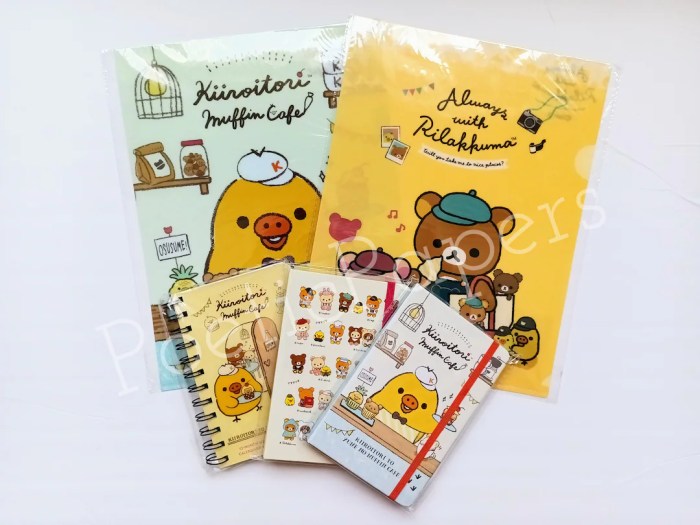
The Japanese mail organizer aesthetic, often referred to as “shizukana” (tranquil) or “minimalist” in the context of mail management, is a meticulously crafted approach to organizing mail that prioritizes visual harmony and efficient retrieval. This meticulous organization extends beyond just practical function, incorporating principles of Japanese design philosophy, particularly a focus on balance, simplicity, and the appreciation of natural elements.
This aesthetic is increasingly popular, reflecting a desire for a more calming and mindful approach to daily tasks.This aesthetic is not simply about keeping mail neatly stacked; it’s about creating a visual experience that evokes a sense of calm and order. It emphasizes the beauty of simplicity, reflecting the broader Japanese cultural values of functionality and beauty in everyday objects.
This approach to mail organization transcends mere practicality, offering a mindful approach to managing daily correspondence.
Visual Elements
This aesthetic is characterized by a deliberate selection of materials and colors. Visual elements are carefully chosen to create a harmonious and calming atmosphere. The color palettes typically lean towards muted tones, often inspired by nature, reflecting a preference for subtle and understated hues. Elements such as subtle wood grains, muted tones of grey, beige, or earth-tones are prevalent, evoking a feeling of tranquility.
Geometric patterns, often inspired by traditional Japanese designs, may subtly appear. The overall impression is one of clean lines, uncluttered surfaces, and a sense of thoughtful organization.
Cultural Influences
The Japanese mail organizer aesthetic draws heavily from traditional Japanese design principles. The emphasis on simplicity and minimalism reflects the “侘び寂び” (wabi-sabi) aesthetic, which appreciates the beauty of imperfection, impermanence, and natural materials. This philosophy is deeply ingrained in Japanese culture, emphasizing the beauty found in the understated and the natural. The appreciation for functionality and practicality is another key influence, reflecting a long-standing cultural tradition of creating tools and objects that serve a clear purpose with elegance and efficiency.
Color Palettes and Materials
The color palettes frequently feature muted tones of grey, beige, light brown, and deep green, inspired by natural elements. These subtle colors evoke a sense of calm and tranquility. Common materials include high-quality paper, natural wood, and linen. These materials are chosen for their tactile qualities and visual appeal. The use of natural materials is further reinforced by the integration of wood accents in the organizational structures.
The selection of materials reflects a preference for sustainable and enduring products.
Principles of Organization and Design
The Japanese mail organizer aesthetic prioritizes both aesthetic appeal and functional organization. Mail is sorted and filed in a manner that visually balances the space, maximizing space and accessibility. The organization principles emphasize clear categorization, logical filing systems, and the use of intuitive labels. Clear visual cues and labeling are vital to facilitate easy retrieval of specific items.
Each item’s placement is considered for its impact on the overall visual balance and flow. The design emphasizes a clear, intuitive layout that facilitates quick and easy access to information.
Practical Applications
Streamlining mail management isn’t just about aesthetics; it’s a critical component of modern productivity. Effective mail organization directly impacts daily efficiency, reduces stress, and fosters a more harmonious living environment. The Japanese aesthetic, with its emphasis on minimalism and functionality, provides a powerful framework for achieving these benefits.A well-organized mail system, inspired by Japanese principles, can significantly improve daily life.
This approach goes beyond simply filing papers; it’s about actively engaging with correspondence to optimize workflow and mental clarity. By adopting a systematic method, individuals can free up valuable mental space and focus on higher-priority tasks.
Mail Organization System Design
A core element of a successful mail organization system is a thoughtfully designed process. This involves categorizing mail based on urgency and action required. A system inspired by Japanese aesthetics would prioritize visual clarity and simplicity. A dedicated space, free of clutter, for mail sorting and processing is crucial. This dedicated area should be easily accessible and conducive to focused work.
Integration with Living Spaces
The Japanese aesthetic emphasizes the seamless integration of functional design into everyday life. Implementing a mail organization system doesn’t require a complete overhaul of existing spaces. A dedicated corner, a stylish desk, or even a repurposed shelf can be transformed into an efficient mail center. Key is finding a solution that aligns with the overall style of the living space.
Mail Organizing Tools
A variety of tools can effectively integrate with the Japanese aesthetic, enhancing the organization process. These tools should be visually appealing, minimalist in design, and enhance efficiency. Examples include:
- Stylish Mail Sorter Trays: These trays, often made of natural materials like bamboo or wood, provide a visually calming and organized environment for sorting incoming mail. They come in various sizes and can be integrated into existing storage systems, fitting seamlessly into modern or traditional settings.
- Clear Storage Boxes: For storing processed mail, clear storage boxes or containers with simple labels can help maintain visual clarity. These transparent containers allow quick identification of mail types and enable easy retrieval, which is key to the Japanese approach of streamlining workflows.
- Wall-Mounted Mail Holders: For limited space, wall-mounted mail holders can provide a clean and accessible solution. These holders can be crafted from natural materials like wood or metal, adding a touch of Japanese-inspired elegance to the space.
Efficiency and Stress Reduction
By implementing a consistent and well-defined system, individuals can reduce the time spent on sorting mail and associated tasks. This reduction in time-consuming activities frees up mental bandwidth for more critical tasks, reducing stress. A streamlined system also fosters a sense of calm and order, minimizing the feelings of overwhelm often associated with a cluttered space.
Visual Inspiration
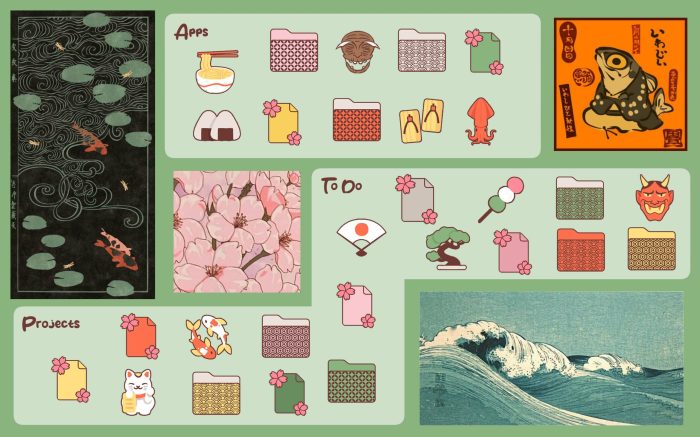
The Japanese aesthetic, deeply rooted in minimalism and a reverence for nature, offers a powerful framework for organizing mail. This approach prioritizes visual harmony and functional efficiency, translating into a space that is both beautiful and highly effective for managing correspondence. This section delves into the visual elements that embody this aesthetic, providing inspiration for mail organizers.The visual language of Japanese design often draws upon natural forms and materials.
A strong emphasis on clean lines, uncluttered surfaces, and a focus on thoughtful organization are central to this style. These principles translate directly into effective mail management systems, providing a calming and efficient approach to a task that can often feel overwhelming.
Items Evoking the Japanese Aesthetic
The Japanese aesthetic in mail organization draws heavily from nature and traditional craft. Key elements include:
- Natural Materials: Bamboo, wood, paper, and stone are frequently used for their inherent beauty and connection to the natural world. These materials evoke a sense of tranquility and durability.
- Minimalist Design: Simplicity and uncluttered surfaces are paramount. Avoidance of excessive ornamentation and a focus on clean lines create a serene environment.
- Muted Color Palettes: Earthy tones, such as browns, greens, grays, and blacks, are often preferred. These colors create a calming atmosphere and complement the natural materials.
- Japanese Calligraphy and Symbols: Incorporating subtle Japanese calligraphy or symbolic imagery can add a touch of cultural richness and sophistication to the organizational system. These elements offer a visual reminder of the values and principles underpinning the approach.
Visual Examples of Mail Organizer Designs
Various mail organizer designs can effectively embody the Japanese aesthetic. Consider these examples:
- A wall-mounted mail organizer made from light-colored wood with minimal shelving and slots for different mail types. The wood could be stained a warm brown, enhancing the natural feel. A simple, clean design with subtle Japanese calligraphy on the divider plates would complement the aesthetic.
- A tiered wooden box with sliding compartments and dividers. The box could be constructed from light-colored, natural wood, like cherry or maple. This design allows for easy access and clear visual separation of mail categories.
- A series of wooden trays with different sizes arranged on a desk or table. This setup promotes visual clarity, enabling easy sorting and retrieval of mail. Natural wood tones and subtle Japanese-inspired patterns on the dividers add to the aesthetic.
Gallery of Organizational Systems
A gallery of mail organizers would showcase various systems, including a minimalist wooden box with clearly labeled compartments for bills, personal mail, and marketing materials. Another example could be a multi-tiered bamboo stand with sliding drawers, each designated for specific mail types. A third would display a series of paper trays, varying in size and shape, arranged in a horizontal fashion on a table, with dividers to keep items separated, evoking a sense of Zen-like organization.
Ideal Mail Organizing Space
An ideal mail organizing space, reflecting the Japanese aesthetic, would be a well-lit, quiet area. The space should prioritize visual clarity and uncluttered surfaces. A wooden desk with a natural finish, a light-colored wall, and a simple mail organizer, like a bamboo tray or a set of tiered wooden boxes, would create the desired environment. The overall ambiance should be calm and conducive to focused work.
Natural Materials’ Contribution
The use of natural materials, like bamboo, wood, and paper, contributes to the aesthetic in several ways. They provide a tactile connection to nature, enhancing the overall calmness and serenity of the space. These materials also create a sense of durability and longevity, aligning with the long-term approach often found in Japanese design principles. The warmth and texture of natural materials enhance the visual appeal and provide a grounded presence in the mail organizing space.
Creative Applications
The Japanese aesthetic, deeply rooted in minimalism and meticulous attention to detail, offers a powerful framework for organizing personal spaces. This approach extends beyond simply arranging items; it fosters a sense of calm and order that permeates daily life. This section delves into the practical application of this aesthetic, exploring its potential in diverse organizational systems, both physical and digital.Beyond the physical act of organizing, the Japanese aesthetic cultivates a mindful approach to managing information and possessions.
It encourages a deep understanding of the relationship between objects and their environment, leading to a more efficient and satisfying organization experience.
Mail Organizer Labels Inspired by Japanese Aesthetics
Japanese aesthetics often incorporate natural motifs, calligraphy, and subtle color palettes. Mail organizer labels could feature delicate floral designs, minimalist calligraphy for addressing categories, or a monochromatic color scheme that evokes a sense of serenity. These elements, combined with a tactile material like textured paper or washi, would create a visual harmony. Furthermore, the use of Japanese characters or symbols relevant to specific categories can add a unique layer of sophistication and personalization.
For instance, labels for bills could be subtly distinguished from those for important documents using subtly different colors or symbols.
Application to Other Organizational Systems
The principles of Japanese aesthetics can be seamlessly integrated into other organizational systems within the home. This approach prioritizes visual harmony and functionality. For instance, consider a spice rack organized by color and category, or a pantry system using clear containers and labels with minimalist Japanese-inspired designs. The key is to maintain a sense of visual calm and a clear hierarchy within each system.
Implementing a color-coding system based on Japanese color theory can further enhance this effect. For example, using shades of green for herbs and spices, and reds for sauces, creates a more unified and visually appealing system.
Digital Organization
The Japanese aesthetic’s emphasis on minimalism and clarity extends seamlessly to digital organization. A digital filing system could utilize a color-coded folder structure, inspired by Japanese color theory. Similarly, digital to-do lists could incorporate Japanese calligraphy-style fonts for a visually appealing and calming interface. Furthermore, the use of whitespace and clean layouts, reminiscent of traditional Japanese design, could enhance focus and reduce digital clutter.
A well-organized digital space promotes a similar sense of serenity to a well-ordered physical space.
Comparison with Other Organizing Styles
While other organizing styles, such as the KonMari method, focus on decluttering and discarding items, the Japanese aesthetic prioritizes harmonious integration and order. The Japanese approach values the beauty of the objects and the environment, promoting a sense of mindful organization rather than a strict decluttering approach. This allows for the retention of valuable possessions while maintaining a sense of visual order.
Furthermore, the use of symbolism and color theory in the Japanese aesthetic creates a system that is both beautiful and functional, unlike some organizing styles that focus solely on functionality.
Personalization
Personalization is key to tailoring the Japanese aesthetic to individual preferences. This involves choosing elements that resonate with the user’s personality and lifestyle. For example, someone who enjoys nature might incorporate natural imagery into their labels, while someone who appreciates minimalism might choose a more monochrome color scheme. Further customization could involve incorporating family photos, personal symbols, or custom calligraphy to personalize the aesthetic.
This customization allows the individual to create a space that is not only functional but also deeply personal and reflective of their unique tastes.
Historical Context
Japan’s meticulous approach to mail organization reflects centuries of cultural values emphasizing order, efficiency, and aesthetics. This tradition, deeply rooted in historical practices and design principles, has evolved into a unique aesthetic distinct from mail organization in other cultures. The history of mail organization in Japan reveals a fascinating interplay between practicality and artistry.The evolution of mail organization in Japan mirrors the country’s broader societal development, showcasing adaptation and innovation within established frameworks.
Traditional Japanese design principles, such as the concept of
- wabi-sabi* (embracing imperfection and transience) and
- shohin* (the appreciation of small objects), have profoundly shaped the aesthetic of mail organization. This approach contrasts with the more pragmatic and often less aesthetically focused mail organization methods found in other cultures.
Evolution of Mail Organizing Tools
The development of mail organizing tools in Japan mirrors the country’s technological advancements and evolving social needs. Early methods relied on simple, handcrafted containers and dividers, reflecting the artisanal skills prevalent in the pre-industrial era. The introduction of Western-style postal systems and the subsequent increase in mail volume spurred the development of more sophisticated and standardized organizational tools. This transition reflects Japan’s embrace of foreign influences while maintaining its distinctive aesthetic.
Impact of Historical Periods
Several historical periods significantly impacted the Japanese mail organizer aesthetic. The Edo period (1603-1868), known for its emphasis on social order and meticulous record-keeping, saw the development of refined methods for managing correspondence. The Meiji Restoration (1868-1912) introduced Western postal systems and industrialization, leading to a shift towards more standardized and efficient mail organization. The post-war economic boom (1950s-1980s) saw the proliferation of consumer goods, including specialized mail organizers, reflecting the changing needs of a growing and increasingly connected society.
The digital age has further influenced mail organizing, presenting both opportunities and challenges to the traditional aesthetic.
Traditional Japanese Design Principles
Traditional Japanese design principles have profoundly shaped the aesthetics of mail organization. The emphasis on minimalism, functionality, and aesthetic harmony are integral to the design of mail organizers. The concept ofwabi-sabi*—embracing imperfection and the natural beauty of simplicity—is often seen in the use of natural materials, understated colors, and subtle embellishments in mail organizers. The appreciation of small objects (shohin) contributes to a focus on curated and organized storage of mail items.
Comparison to Other Cultures
Compared to other cultures, Japanese mail organization aesthetics often prioritize a blend of practicality and aesthetic appeal. Western approaches, for example, may lean more heavily on functionality and efficiency, while Japanese approaches often incorporate aesthetic elements that harmonize with traditional design principles. The influence of these principles extends to the selection of materials, the arrangement of mail items, and the overall presentation of the organized space.
Differences in cultural values significantly affect the priorities and approaches to mail organization.
Key Historical Periods
- Edo Period (1603-1868): This period emphasized meticulous record-keeping and social order, which directly influenced the development of sophisticated methods for managing correspondence, including the use of traditional containers and dividers.
- Meiji Restoration (1868-1912): The introduction of Western postal systems and industrialization led to a shift toward more standardized and efficient mail organization. This period saw the emergence of new tools and techniques that blended Western efficiency with traditional Japanese aesthetic sensibilities.
- Post-war Economic Boom (1950s-1980s): The increasing availability of consumer goods, including specialized mail organizers, reflected the changing needs of a growing and increasingly connected society. This period witnessed a fusion of traditional aesthetics with modern practicality.
Materials and Craftsmanship
Japanese mail organizers, deeply rooted in the nation’s rich aesthetic traditions, showcase meticulous craftsmanship and a profound respect for materials. This dedication to detail extends beyond mere functionality, reflecting a philosophy of mindful design and enduring quality. The careful selection of materials and the skillful execution of techniques speak volumes about the cultural values embedded within these objects.The meticulous attention to detail in Japanese mail organizers reflects a commitment to longevity and a deep understanding of the materials’ properties.
This dedication transcends mere utility, imbuing the organizers with a unique aesthetic character. This approach is often contrasted with mass-produced counterparts, highlighting the value of traditional techniques and the inherent beauty of carefully chosen materials.
Materials Frequently Used
Japanese mail organizers often employ a range of materials, each chosen for its inherent beauty and practicality. Wood, particularly fine varieties like cherry, maple, or cedar, is frequently used for its natural grain and warm tone. Paper, meticulously crafted and often dyed with natural pigments, adds layers of texture and visual interest. Lacquer, a traditional Japanese finish, is frequently applied to protect and enhance the wood’s natural beauty.
Furthermore, textiles, often silk or other fine fabrics, might be integrated for lining or decorative accents.
Craftsmanship and Attention to Detail
The importance of craftsmanship in Japanese mail organizers cannot be overstated. Each piece is often hand-crafted, reflecting a dedication to meticulous detail and precision. This approach emphasizes the importance of skill and patience, leading to objects that are not only functional but also beautiful. This meticulous attention to detail contrasts sharply with the often impersonal nature of mass-produced items.
Examples of Traditional Japanese Crafts
Several traditional Japanese crafts deeply influence the aesthetic of mail organizers. The principles of
- wabi-sabi*, emphasizing the beauty of imperfection and the natural world, are often apparent. The aesthetic principles of
- kintsugi*, the art of repairing broken pottery with gold, mirrors the philosophy of mending and appreciating the history within an object. The artistry of
- shodo*, or calligraphy, can also be incorporated into the design of the organizer, adding a touch of elegant script.
Comparison with Other Styles
Compared to other styles of mail organizers, Japanese designs often prioritize natural materials and traditional techniques. While some contemporary organizers might utilize modern materials like plastic or metal, Japanese pieces maintain a focus on natural aesthetics and intricate craftsmanship. The difference is evident in the level of detail, the appreciation for the material’s natural characteristics, and the overall sense of mindful design.
Sustainability and Eco-Friendly Materials
The use of natural materials in Japanese mail organizers often aligns with principles of sustainability. Carefully sourced wood, reclaimed materials, and the use of eco-friendly finishes contribute to a mindful approach to design. The longevity of these items, built to last for generations, also contributes to sustainability, reducing the need for frequent replacements. Furthermore, the emphasis on repairing and restoring, as seen in
kintsugi*, further strengthens the commitment to sustainable practices.
Cultural Significance
The meticulous craft of Japanese mail organizers reflects a deep-seated cultural appreciation for aesthetics, functionality, and the inherent beauty in everyday objects. This aesthetic, deeply rooted in centuries of tradition, transcends mere practicality, embodying a profound respect for materials and the act of organization itself. The careful selection of paper types, ink tones, and decorative elements speaks volumes about Japanese cultural values.Japanese society places a high value on order and minimalism, reflecting a profound respect for the principles of “wabi-sabi.” This philosophy emphasizes the beauty found in imperfection, simplicity, and the acceptance of transience.
This concept permeates the design choices in mail organizers, often featuring unadorned surfaces and understated elegance.
Paper and Envelope Significance
Japanese paper, particularly washi, holds a significant place in the nation’s cultural heritage. Its delicate texture and inherent strength are celebrated for their symbolic value. From traditional calligraphy scrolls to exquisite origami creations, washi represents a connection to nature and a reverence for craftsmanship. Envelopes, in turn, represent the act of communication, a crucial element in Japanese social interactions.
The meticulous attention to detail in the selection and preparation of envelopes mirrors the respect given to the message itself.
Aesthetics Reflecting Minimalism and Order
The Japanese aesthetic in mail organizers often features a clear preference for simplicity and order. This is evident in the uncluttered design choices, the consistent use of neutral colors, and the emphasis on clean lines. This design philosophy is deeply ingrained in Japanese culture, reflecting a belief in the power of understated elegance and the value of well-organized spaces.
Symbolism of Colors and Patterns
Colors and patterns in Japanese mail organizers often carry symbolic weight, reflecting specific cultural connotations. The use of subtle, muted tones, like the calming shades of beige or gray, often communicates serenity and tranquility. Intricate patterns, often inspired by nature, such as cherry blossoms or bamboo, can evoke a sense of beauty and connection to the natural world.
Underlying Cultural Values
The Japanese mail organizer aesthetic is deeply rooted in several key cultural values:
- Respect for tradition: The enduring use of traditional materials and techniques in the crafting of mail organizers highlights a respect for established practices and the value placed on preserving cultural heritage. Examples include the use of washi paper, traditional calligraphy techniques, and historical design elements.
- Emphasis on craftsmanship: The meticulous attention to detail in the design and construction of Japanese mail organizers demonstrates a high regard for the skill and artistry of the craftsperson. This attention to detail extends to the selection of materials, the precision of construction, and the aesthetic appeal of the final product.
- Appreciation for minimalism: The focus on simplicity and uncluttered design in Japanese mail organizers reflects a cultural appreciation for the beauty found in understated elegance. This is a direct reflection of the concept of “wabi-sabi,” which emphasizes the beauty in imperfection and transience.
Adaptability for Other Cultures
The principles of simplicity, order, and craftsmanship in Japanese mail organizers can be adapted for various cultural contexts. The minimalist design principles, for instance, could resonate with individuals who value a clean and uncluttered aesthetic in other cultures. The emphasis on high-quality materials could appeal to those seeking durability and longevity in their organizational tools. The symbolic use of colors and patterns can be adapted to reflect local cultural preferences, creating unique and meaningful variations on the core aesthetic.
Examples of adaptation could involve integrating local colors or patterns that hold symbolic value within the target culture, thereby bridging the cultural gap while retaining the core principles of the original design.
Space Optimization
Maximizing space is paramount in modern living, particularly for those with limited square footage. The Japanese aesthetic, renowned for its minimalist principles, offers valuable insights into optimizing even the smallest of spaces for mail organization. This approach prioritizes functionality and visual harmony, ensuring that mail management becomes an integrated and aesthetically pleasing part of the home.The Japanese mail organization philosophy transcends mere storage; it’s about creating a system that seamlessly blends functionality with visual appeal.
By understanding the core principles of this approach, individuals can transform their mail handling from a cumbersome task to a serene and efficient process. This system is not just for mail; it applies to all paper-based documents, fostering a clutter-free environment.
Optimizing Storage Efficiency
Japanese mail organization prioritizes efficient use of vertical space. Wall-mounted shelving, often with carefully chosen dividers and compartments, maximizes storage while minimizing visual clutter. This approach effectively utilizes every inch of available space.
Maximizing Storage in Different Spaces
- Small Apartments: Vertical space is key. Utilize wall-mounted organizers and floating shelves. Consider narrow, deep drawers for storing items. Folding storage solutions can be folded away when not needed. Utilizing a small, dedicated area for mail sorting, such as a corner desk or a narrow table, is also a solution.
- Large Homes: Multiple dedicated mail areas, each with its own organizing system, can be implemented. A dedicated room or a section of a larger room can be designated for mail handling and storage.
- Office Environments: The principle of maximizing vertical space is equally applicable. Using stackable shelves and hanging organizers is effective. Desk-integrated mail sorters, drawer dividers, and vertical filing systems are essential components for office environments.
Designing Mail Organization Systems
The layout of a mail organization system is crucial for its effectiveness. Consider a workflow-oriented approach, where the mail is sorted, processed, and filed according to a predefined system. This system can be visually appealing while maintaining an organized flow. A visually appealing system that is also functional ensures that the mail management process remains efficient and pleasant.
| System Type | Description | Layout Example |
|---|---|---|
| Three-bin System | Mail is sorted into three bins: ‘To Be Read’, ‘To Be Filed’, and ‘To Be Disposed’. | Visual representation of a three-bin system using three color-coded boxes. A prominent space is designated for reading, another for filing, and a final one for disposal. |
| Color-Coded System | Different colors are assigned to various mail types. This approach aids in quick identification and processing. | A series of color-coded folders or boxes, each color corresponding to a type of mail. The visual appeal of this system is enhanced by the uniformity of the colors. |
| Designated Zones | Different areas of the space are assigned specific purposes in mail handling. | An example could be a dedicated corner for incoming mail, a different space for outgoing mail, and another for sorting and filing. |
Integrating the Aesthetic into Small Spaces
The minimalist approach to mail organization works exceptionally well in compact spaces. The key is to choose storage solutions that are both functional and visually unobtrusive. Mirrors can also be used strategically to reflect light and create the illusion of more space.
Examples of Mail Organization Systems in Japanese Homes
“Japanese homes often incorporate a combination of vertical storage and designated areas for mail. Minimalist design principles and the use of natural materials are often observed.”
One common example is a dedicated entryway with a small, stylish shelving unit for mail. Another example might be a corner study or office space with built-in organizers. The specific layout and design will vary depending on the individual needs and preferences. The important element is the seamless integration of mail management into the overall aesthetic of the home.
Digital Integration
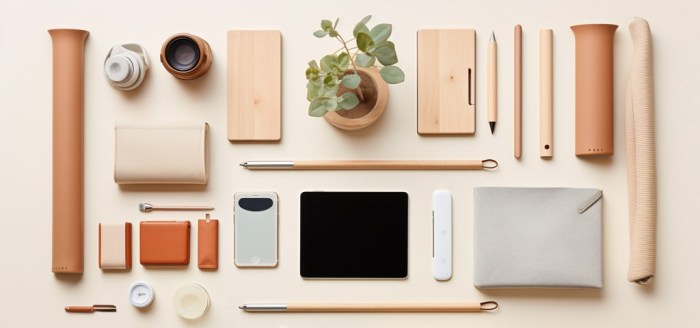
The meticulous organization inherent in the Japanese mail organizer aesthetic extends seamlessly into the digital realm. This digital integration leverages technology to maintain visual clarity and efficient workflow, mirroring the physical system’s emphasis on streamlined access and intuitive navigation. The principles of minimalism, hierarchy, and color psychology translate effectively into digital tools, creating a cohesive and productive digital workspace.Digital organization systems, while offering unparalleled flexibility, require a conscious effort to maintain the same sense of order as their physical counterparts.
This involves adopting strategies for file naming, folder structure, and digital note-taking that mirror the visual cues and principles of the Japanese aesthetic, thereby fostering a smooth and productive workflow. Digital tools, properly implemented, can offer an even greater degree of control and customization over physical systems.
Digital File Management Strategies
Digital file management is crucial for a streamlined workflow. Clear naming conventions, intuitive folder structures, and the use of color-coding are key elements for achieving a sense of order in a digital environment. This method mimics the physical system’s visual cues and principles of minimalism and hierarchy.
- Consistent File Naming Conventions: Employing a consistent naming convention for files—using s, dates, and clear descriptors—facilitates quick retrieval and reduces clutter. This system mirrors the careful indexing of physical mail. For example, instead of “invoice123,” use “invoice-2024-Q1-ClientA.” This approach is similar to the meticulously categorized files in traditional Japanese mail organization systems.
- Intuitive Folder Structures: Establish a logical hierarchy of folders that mirror the organizational structure of physical mail. This should group similar documents and tasks, mirroring the sorting of physical mail by type and recipient. For example, “Invoices,” “Bills,” “Projects,” and “Correspondence” are examples of high-level folders that can be further subdivided.
- Color Coding: Employ color coding to visually distinguish different categories of documents or projects. This strategy echoes the use of color-coded folders and labels in physical mail systems, enhancing visual clarity and improving retrieval time.
Digital Tools for Enhanced Organization
Digital tools play a pivotal role in enhancing organization, particularly in a digital environment. A selection of tools designed with the principles of the Japanese aesthetic in mind can foster a streamlined workflow.
- Cloud Storage Solutions: Services like Google Drive, Dropbox, and OneDrive allow for easy access, sharing, and backup of documents, mirroring the accessibility of physical mail. These solutions often feature intuitive interfaces that encourage organized file management.
- Note-Taking Applications: Apps like Evernote and OneNote allow for detailed notes and annotations, mirroring the use of physical notebooks for recording and referencing mail information. These apps can be further customized to mirror the aesthetics of the Japanese mail organizer system.
- Project Management Software: Platforms like Trello, Asana, and Monday.com enable visual task management and progress tracking. These tools translate the visual clarity of physical planning systems to the digital realm.
Comparison of Physical and Digital Organization Methods
| Feature | Physical Mail Organization | Digital Mail Organization |
|---|---|---|
| Storage Medium | Physical folders, boxes, and cabinets | Cloud storage, hard drives, and computer files |
| Accessibility | Limited to physical location | Accessible from anywhere with internet access |
| Scalability | Limited by physical space | Scalable to virtually unlimited storage |
| Visual Cues | Color-coded folders, labels, and physical arrangement | Color-coded folders, labels, and file organization within digital applications |
| Searchability | Manual searching through physical documents | Advanced search functions and tagging features |
Creating a Table
Japanese mail organization, deeply rooted in cultural practices and aesthetic sensibilities, finds expression in diverse forms. Understanding the various types of mail organizers, the materials employed, and their respective practical benefits provides a richer appreciation for this nuanced approach to managing correspondence. This section will delve into these aspects, showcasing the visual and functional diversity inherent in Japanese mail organization.
Mail Organizer Types
Japanese mail organization encompasses a wide spectrum of styles, each reflecting unique aesthetic and practical considerations. A systematic understanding of these types reveals the rich tapestry of choices available.
| Mail Organizer Type | Visual Characteristics | Practical Benefits | Cultural Context |
|---|---|---|---|
| Traditional Folding Screens (Byōbu) | Elaborate folding screens, often featuring intricate designs and natural motifs, create a visually rich and dynamic space for mail organization. | Screens offer a discreet and aesthetically pleasing method for compartmentalizing mail. The folding nature allows for flexibility in space utilization. | Folding screens, deeply embedded in Japanese culture, symbolize the art of arranging space. They reflect the aesthetic emphasis on minimalism and harmony. |
| Japanese Shoji Screens | Translucent, paper-covered screens, often featuring simple, elegant designs, create a subtle yet effective visual separation for mail. | The light-filtering nature of shoji screens allows for natural illumination while providing visual boundaries. | Shoji screens emphasize the importance of natural light and subtle division of space in Japanese aesthetics. |
| Traditional Wooden Cabinets (Tansu) | Elaborate wooden cabinets with sliding drawers and compartments provide a secure and organized storage solution for mail. | Tansu cabinets offer secure and discreet storage, ideal for preserving important documents and mail. Their design promotes order and organization. | Tansu cabinets represent the Japanese emphasis on meticulous organization and the preservation of valuable items. |
| Paper Mailboxes (Tsutsumi) | Traditional envelopes and wrapping papers, often with intricate patterns and motifs, create a visual and tactile connection with the mail. | Mailboxes, with their decorative appeal, offer a visual representation of the mail’s arrival. | The emphasis on presentation in packaging highlights the cultural importance placed on aesthetics and meticulousness in handling correspondence. |
Japanese Paper Types
Japanese paper, renowned for its unique qualities, plays a crucial role in mail organization, adding a layer of tactile and visual appeal. The diverse range of papers, each with its distinct properties, contributes to the overall aesthetic experience.
| Paper Type | Visual Appeal | Material Properties |
|---|---|---|
| Washi | Washi paper exhibits a natural, warm aesthetic with subtle variations in texture and color. Its intricate patterns, when applied, further enhance the visual appeal. | Known for its strength, durability, and unique texture, washi paper is highly absorbent and can be easily manipulated to create intricate shapes and designs. |
| Kozane | Kozane paper displays a crisp, clean aesthetic with a subtle sheen, often in neutral colors. | Its smooth surface and slightly glossy finish make it ideal for delicate calligraphy and intricate designs. |
| Omoide-zumi | Omoide-zumi paper’s subtle texture and warm tones create a comforting visual effect. | This paper’s unique texture and rich colors make it suitable for adding a personal touch to mail organization. |
| Nishiki-gami | Nishiki-gami paper boasts a vibrant and colorful array of patterns, providing a bold and striking aesthetic. | Its patterned designs and varied colors add visual interest and dynamism to mail organization. |
Outcome Summary
The Japanese mail organizer aesthetic, a confluence of history, culture, and practicality, offers a compelling framework for organizing mail and documents. By embracing its principles of minimalism, order, and visual harmony, individuals can cultivate a more efficient and aesthetically pleasing approach to daily mail management. This exploration underscores how the Japanese aesthetic can be translated into various organizational systems, both physical and digital, creating a harmonious environment that promotes both productivity and well-being.
