
What is passive-aggressive behavior? It’s a subtle yet pervasive form of communication and action, often masked by a veneer of compliance or indifference. This behavior can be found everywhere, from the boardroom to the family dinner table, making it crucial to understand its nuances. It’s a dance of unspoken resentments and indirect expressions of hostility, creating a minefield of misunderstandings and emotional strain.
Delving into the nature of passive-aggressive behavior requires recognizing its covert tactics. It is characterized by actions that contradict stated intentions, leaving the target confused and frustrated. This analysis will explore the core characteristics, root causes, and various manifestations of passive-aggressive behavior. We’ll examine how it impacts relationships and workplaces, and how to effectively navigate and address this complex issue.
Understanding the Subtle Nature of Passive Aggression is essential for recognizing it in various social interactions
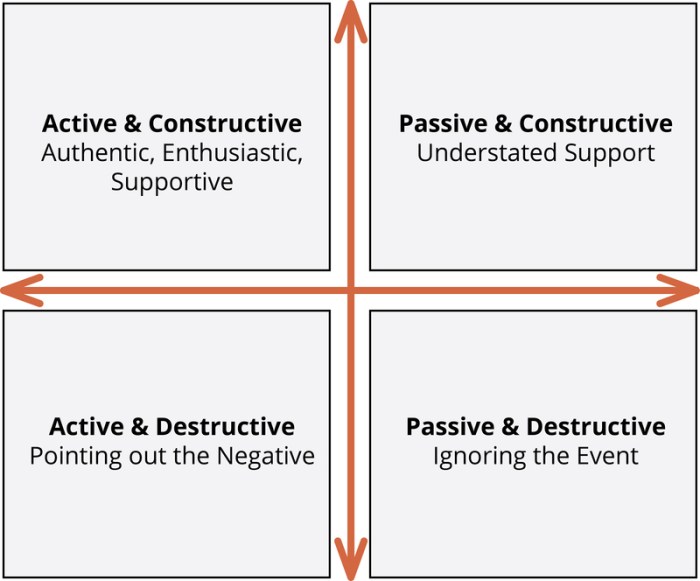
Passive-aggressive behavior, a covert form of expressing negative feelings, often masks underlying resentment, anger, or frustration. This behavior is characterized by indirect resistance to requests or demands, and it can significantly impact relationships in personal and professional settings. Recognizing the nuances of passive aggression is the first step toward addressing its impact.
Core Characteristics of Passive-Aggressive Behavior
Passive-aggressive behavior is fundamentally indirect. Instead of openly expressing anger or disagreement, individuals employing this tactic use subtle methods to convey their negative emotions. This covert nature distinguishes it sharply from direct confrontation, which involves openly expressing feelings and opinions. The core characteristics revolve around the deliberate obstruction of others’ plans or desires, often under the guise of compliance or helpfulness.
This behavior frequently involves a disconnect between what is said and what is actually done. A person might agree to a task but then perform it poorly, delay its completion, or sabotage it in a way that appears accidental. This creates a frustrating situation for those on the receiving end, as the passive-aggressive individual avoids direct accountability for their actions. Furthermore, passive-aggressive individuals often employ sarcasm, backhanded compliments, and procrastination to express their negative feelings without explicitly stating them.
Examples of common phrases and actions that exemplify this behavior:
- Procrastination: Delaying tasks or responsibilities, often until the last minute, creating inconvenience for others. For instance, agreeing to complete a report by Friday and then delivering it late, citing a vague reason like “being busy.”
- Sarcasm: Using biting or mocking humor to express disapproval or hostility. For example, responding to a suggestion with “Oh, that’s a *great* idea,” delivered with a tone that clearly conveys the opposite.
- Backhanded Compliments: Offering compliments that contain subtle insults or criticisms. An example is, “You look *so* good for your age.”
- Deliberate Inefficiency: Performing tasks poorly or incompletely, despite claiming to be trying their best. This can manifest as making numerous errors or taking an excessive amount of time.
- “Forgetfulness”: Pretending to forget important commitments or requests. This might involve missing deadlines or appointments.
- Stubbornness: Resisting suggestions or requests from others, often without a clear explanation.
- Silent Treatment: Withdrawing communication or refusing to respond to others.
Intention vs. Outward Behavior: The Hidden Message
The intention behind passive-aggressive actions frequently clashes with the outward behavior, revealing a hidden message of resentment or defiance. The individual’s true feelings are often concealed beneath a veneer of compliance or indifference. This incongruity is key to understanding the dynamic.
For example, a person might agree to help a colleague with a project but then subtly undermine the effort. They might offer “helpful” suggestions that ultimately slow down progress or create confusion. The outward behavior is one of assistance, but the underlying intention is to express resentment or to sabotage the project’s success. This is often done to exert control or to punish the other person without directly confronting them.
Consider the scenario of a manager who consistently agrees to team requests but fails to follow through on promises. The manager might nod in agreement during a meeting but later fail to allocate necessary resources or provide support. The outward behavior is one of cooperation, but the hidden message is a deliberate obstruction of the team’s goals. This creates a climate of distrust and frustration.
“Passive-aggressive behavior allows individuals to express negative emotions indirectly, avoiding direct confrontation and accountability.”
Identifying the Root Causes and Motivations Behind Passive-Aggressive Tendencies offers valuable insights
Understanding the motivations driving passive-aggressive behavior requires delving into the psychological underpinnings and the environmental factors that shape this complex behavioral pattern. Recognizing these roots is crucial for addressing and mitigating the impact of passive aggression in personal and professional spheres. This section examines the core psychological drivers and the contexts in which passive-aggressive tendencies often flourish.
Psychological Underpinnings of Passive-Aggressive Behavior
Passive-aggressive behavior frequently stems from a confluence of underlying psychological factors. These include unresolved anger, a fear of direct confrontation, and a deep-seated feeling of powerlessness. These elements often intertwine to create a pattern of indirect resistance.
- Unresolved Anger: Suppressed or unacknowledged anger is a primary catalyst. Individuals may struggle to express their anger directly, either due to learned behaviors or fear of consequences. Instead, the anger festers and finds expression through subtle acts of defiance or obstruction. For example, an employee might agree to a deadline but then consistently miss it, indirectly expressing their resentment toward the task or the person who assigned it.
- Fear of Confrontation: The avoidance of conflict is another significant driver. Those who fear direct confrontation may believe that expressing their negative feelings openly will lead to negative outcomes, such as rejection or punishment. Therefore, they resort to passive-aggressive tactics to avoid a direct confrontation.
- Feelings of Powerlessness: A sense of lacking control can also contribute. When individuals feel powerless in a situation, they may use passive-aggressive behaviors as a way to regain a sense of control. This can manifest as procrastination, subtle sabotage, or withholding cooperation.
This allows them to exert influence indirectly, even when they cannot do so directly.
Environmental Factors That Foster Passive-Aggressive Behavior
The environment in which an individual develops and interacts significantly influences the likelihood of exhibiting passive-aggressive tendencies. Several experiences and contexts can nurture this behavioral pattern.
- Childhood Experiences: Early childhood experiences play a crucial role. Children raised in environments where expressing emotions openly was discouraged or punished are more likely to develop passive-aggressive behaviors. This can include households with strict parenting styles, emotional neglect, or inconsistent discipline.
- Workplace Dynamics: Certain workplace dynamics can also contribute. Hierarchical structures, toxic work environments, and a lack of open communication can foster passive aggression. Employees who feel unheard or undervalued may resort to subtle forms of resistance to express their dissatisfaction.
- Relationship Structures: Interpersonal relationships, particularly those characterized by unequal power dynamics or a lack of healthy communication, can also be breeding grounds. Relationships where direct expression of needs and feelings is not safe or encouraged may lead to the adoption of passive-aggressive behaviors as a means of communication.
Role of Communication Styles and Emotional Intelligence
Communication styles and emotional intelligence significantly shape the propensity for passive-aggressive actions. The ability to understand and express emotions effectively, as well as the chosen communication method, influences how individuals address their needs.
- Communication Styles: Individuals with poor communication skills, particularly those who struggle with assertiveness, may find passive-aggressive behavior a more comfortable alternative to direct communication. They may lack the skills to express their needs and boundaries clearly, leading to indirect methods of expressing dissatisfaction.
- Emotional Intelligence: A lower level of emotional intelligence can also contribute. Those who struggle to recognize and manage their own emotions, as well as understand the emotions of others, may find it difficult to communicate their needs in a healthy way. This can result in indirect expressions of unmet needs, such as sarcasm or procrastination.
- Expression of Unmet Needs: Passive-aggressive behavior often serves as a manifestation of unmet needs. Individuals may use these behaviors to communicate their frustrations, desires, or unmet expectations. This is often done indirectly, as the individual may not feel safe or able to express these needs directly. For example, an employee who feels undervalued might consistently arrive late for meetings, indirectly expressing their feeling of being overlooked.
Recognizing Passive-Aggressive Tactics in Communication can improve interpersonal skills
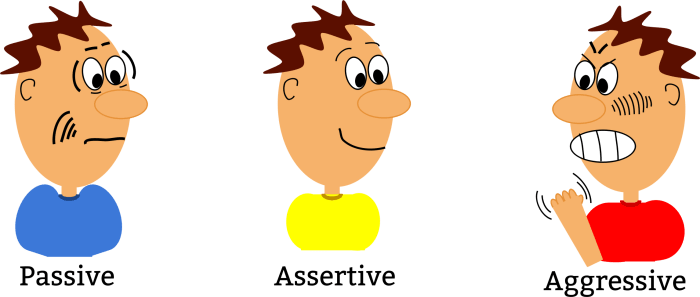
Understanding and identifying passive-aggressive tactics is crucial for navigating social and professional landscapes effectively. By recognizing the subtle cues of this communication style, individuals can mitigate conflict, foster healthier relationships, and improve overall interpersonal skills. This section focuses on the specific verbal and nonverbal signals that characterize passive-aggressive behavior and how these tactics manifest in various settings.
Identifying Passive-Aggressive Cues
Passive-aggressive behavior often disguises itself behind seemingly innocuous statements or actions. Recognizing these subtle indicators is the first step toward addressing the underlying issues.
- Verbal Cues: Sarcasm is a hallmark of passive-aggressive communication, frequently used to express resentment or disapproval indirectly. Backhanded compliments, which offer a superficial positive remark while simultaneously delivering a subtle insult, are another common tactic. Procrastination, especially when used intentionally to delay or hinder progress, is a clear signal. For instance, a colleague might agree to a deadline but consistently miss it, offering vague excuses.
- Nonverbal Cues: Body language often betrays the true feelings of a passive-aggressive individual. Eye-rolling, sighing dramatically, or a dismissive posture can signal underlying frustration or disagreement. Intentional inefficiency, such as taking excessive time to complete a task or making deliberate errors, is a form of passive resistance. This might involve a team member repeatedly “misunderstanding” instructions, slowing down a project’s completion.
Manifestations of Passive-Aggression in Various Settings
Passive-aggressive behavior can surface in many environments, impacting relationships and productivity.
- Workplace: A manager might assign a task with an unrealistic deadline, knowing it’s impossible to achieve, and then blame the employee for failing. Or, a team member might agree to a project but consistently miss deadlines, offering vague excuses.
- Family Interactions: A family member might agree to help with a chore but then “forget” or do it poorly, expressing resentment without directly confronting the issue. This could involve a teenager promising to clean their room but leaving it in a state of disarray.
- Romantic Relationships: A partner might express displeasure through the silent treatment, refusing to communicate directly about their feelings. Or, they might agree to a date but arrive late without a valid reason, expressing their displeasure.
Distinguishing Communication Styles
It’s important to differentiate passive-aggressive tactics from other communication styles to respond appropriately. The following table provides a comparative analysis:
| Communication Style | Characteristics | Example | Response |
|---|---|---|---|
| Passive-Aggressive | Indirect expression of negative feelings; sarcasm, procrastination, backhanded compliments. | “Oh, that’s a *great* idea… I’ll get right on that.” (said sarcastically). | Address the underlying issue: “I sense some hesitation about this. What are your concerns?” |
| Assertive | Clear, direct, and respectful communication of needs and feelings. | “I need the report by Friday so we can meet the deadline.” | Acknowledge the request and confirm understanding. |
| Direct | Straightforward communication; can be blunt. | “I don’t agree with that proposal.” | Seek clarification: “Can you explain why?” |
| Aggressive | Expressing needs and feelings in a way that violates the rights of others. | “That’s a stupid idea, and you’re wrong!” | Set boundaries: “I will not tolerate being spoken to like that.” |
Navigating Interactions with Passive-Aggressive Individuals requires specific strategies for effective communication
Dealing with passive-aggressive behavior demands a nuanced approach, prioritizing both self-preservation and constructive engagement. Successfully navigating these interactions hinges on maintaining composure and employing clear, direct communication techniques. The goal is to address the underlying issues without escalating the conflict or becoming entangled in emotional reactivity.
Remaining Calm and Composed
Reacting emotionally to passive-aggressive behavior often fuels the cycle, giving the individual the satisfaction of knowing they’ve provoked a reaction. Instead, focus on remaining calm and centered. This is the cornerstone of effective communication.
Deep breaths, mindful pauses, and a focus on your own internal state are crucial.
Emotional reactivity allows the passive-aggressive individual to control the interaction. By staying calm, you disrupt this dynamic. For instance, imagine a colleague consistently delays delivering crucial reports, subtly undermining your projects. If you respond with anger or frustration, you are validating their behavior. Instead, a calm and collected response can disarm the situation, shifting the power dynamic. This strategy also prevents you from making hasty decisions that you might later regret. This approach ensures that your responses are thoughtful and considered, rather than impulsive and reactive.
Responding with “I” Statements and Clear Communication
Directly addressing the behavior without engaging in accusatory language is vital. “I” statements allow you to express your feelings and needs without blaming the other person.
“I feel frustrated when deadlines are missed” is more effective than “You always miss deadlines.”
The former focuses on your experience, while the latter can trigger defensiveness. For example, if someone makes a backhanded compliment, such as, “That presentation was good, for you,” respond with an “I” statement like, “I appreciate the feedback, and I’m glad you found the presentation effective.” This neutralizes the passive-aggressive tone and steers the conversation toward a productive outcome. Clear communication involves being specific about the behavior and its impact. Instead of vague complaints, provide concrete examples. This clarifies the problem and prevents misunderstandings.
Setting Healthy Boundaries
Establishing and maintaining boundaries is essential for protecting your emotional well-being. This creates a framework for how you will interact with the individual, limiting the negative impact of their behavior.
- Identify Your Limits: Determine what behaviors you are unwilling to tolerate. This could include missed deadlines, sarcastic remarks, or indirect communication. For example, you may decide you will not respond to emails containing veiled insults.
- Communicate Your Boundaries Clearly: Directly inform the individual about your boundaries. Use “I” statements to express your needs. For instance, “I need you to communicate directly with me, and I will not respond to indirect comments.”
- Enforce Your Boundaries Consistently: This is crucial. If the individual crosses your boundaries, calmly reiterate them. If they continue to disregard your boundaries, be prepared to disengage or seek assistance from HR or a supervisor if applicable.
- Detach Emotionally: Recognize that you cannot control the other person’s behavior. Focus on managing your own reactions and responses. Do not take their behavior personally.
- Prioritize Self-Care: Dealing with passive-aggressive individuals can be emotionally draining. Engage in activities that promote your well-being, such as exercise, meditation, or spending time with supportive people.
The Impact of Passive-Aggressive Behavior on Relationships and Workplaces demands attention
Passive-aggressive behavior, often masked by a veneer of compliance or niceness, can inflict significant damage on both personal and professional spheres. Its subtle yet persistent nature allows it to fester, eroding trust, fueling conflict, and ultimately hindering the growth and well-being of individuals and organizations alike. Understanding the profound impact of this behavior is crucial for mitigating its effects and fostering healthier interactions.
Erosion of Trust and Relationship Damage
Passive-aggressive actions, by their very nature, undermine trust. When individuals consistently employ indirect methods to express negativity, it becomes challenging to rely on their word or actions. This inconsistency creates a breeding ground for suspicion and uncertainty, as others are left to decipher the underlying meaning behind seemingly innocuous statements or behaviors.
- Breach of Expectations: Promises made with a passive-aggressive undertone are often broken or fulfilled with deliberate inefficiency. This directly contradicts the expectations set in a relationship, whether personal or professional. For example, a colleague might agree to complete a task but then submit it late or with substandard quality, subtly expressing resentment without directly confronting the issue.
- Fueling of Conflict: Passive-aggressive behavior avoids direct confrontation, but it doesn’t eliminate conflict. Instead, it pushes it underground, allowing resentment to simmer and eventually erupt in more significant disputes. The indirect nature of the behavior makes it difficult to address the root causes of the conflict, leading to a cycle of misunderstandings and unresolved issues.
- Impaired Communication: Open and honest communication is the cornerstone of healthy relationships. Passive-aggressive tactics, such as sarcasm, backhanded compliments, and deliberate avoidance, obstruct clear communication. This hinders the ability of individuals to express their needs and concerns constructively, leading to misinterpretations and escalating tensions.
- Long-Term Consequences: The cumulative effect of passive-aggressive behavior can be devastating. Over time, it can lead to a breakdown of relationships, characterized by emotional distance, resentment, and a lack of intimacy. In extreme cases, it can contribute to the dissolution of marriages, friendships, and professional partnerships. The constant feeling of being manipulated or misunderstood takes a heavy toll.
Undermining Workplace Morale, Productivity, and Effectiveness
Within the workplace, passive-aggressive behavior can be particularly insidious, impacting team dynamics, productivity, and overall organizational success. Its subtle nature often makes it difficult to identify and address, allowing it to spread like a virus.
- Damage to Team Morale: Passive-aggressive actions, such as withholding information, sabotaging projects, or spreading rumors, can create a toxic work environment. This can lead to decreased morale, increased stress, and a sense of distrust among colleagues. Employees may feel unsupported and undervalued, leading to disengagement and reduced job satisfaction.
- Impact on Productivity: Deliberate inefficiency, procrastination, and non-compliance are common manifestations of passive-aggressive behavior in the workplace. These actions directly impact productivity, leading to missed deadlines, poor-quality work, and increased operational costs. Teams become less efficient, and projects suffer.
- Decreased Organizational Effectiveness: When passive-aggressive behavior becomes prevalent, it can undermine the entire organization’s effectiveness. The focus shifts from achieving goals to navigating interpersonal conflicts and managing the fallout from passive-aggressive actions. This diverts resources and attention away from strategic initiatives and innovation.
- Impact on Leadership: Passive-aggressive behavior can significantly challenge leadership. Subordinates might agree to tasks and then fail to deliver, or they might undermine the leader’s authority through subtle acts of defiance. This can erode the leader’s confidence and effectiveness, creating a ripple effect throughout the organization.
Emotional and Psychological Toll on Individuals
Prolonged exposure to passive-aggressive behavior can have a significant emotional and psychological impact on individuals, leading to a range of negative consequences. The constant uncertainty, the feeling of being manipulated, and the difficulty in addressing the underlying issues can take a significant toll.
Consider the story of Sarah, a project manager who consistently faced passive-aggressive behavior from a team member, Mark. Mark would agree to deadlines but consistently miss them, offer vague excuses, and then subtly criticize Sarah’s management style. Initially, Sarah tried to be understanding, attributing the behavior to stress. However, as the pattern continued, Sarah began to experience chronic anxiety and self-doubt. She questioned her abilities, felt constantly on edge, and found it difficult to concentrate. The emotional exhaustion eventually led to burnout, impacting her physical health and overall well-being. This is a common experience for those repeatedly subjected to passive-aggressive tactics.
- Increased Stress and Anxiety: The unpredictability and indirectness of passive-aggressive behavior create a constant state of uncertainty, leading to heightened stress and anxiety. Individuals may feel they are constantly walking on eggshells, unsure of how their actions will be received or what hidden agendas might be at play.
- Damage to Self-Esteem: Passive-aggressive behavior often involves subtle criticisms, backhanded compliments, and undermining comments, which can erode an individual’s self-esteem. Over time, this can lead to feelings of inadequacy, self-doubt, and a diminished sense of self-worth.
- Emotional Exhaustion and Burnout: The constant effort required to navigate passive-aggressive interactions can be emotionally draining, leading to exhaustion and burnout. Individuals may find themselves feeling overwhelmed, depleted, and unable to cope with the demands of their relationships or work.
- Importance of Seeking Support: Recognizing the impact of passive-aggressive behavior and seeking support is crucial. This can involve therapy, counseling, or simply talking to trusted friends or family members. Setting personal limits and establishing clear boundaries is also essential to protect one’s emotional well-being.
Addressing and Overcoming Passive-Aggressive Tendencies offers the path to personal growth

The journey to overcome passive-aggressive behavior is a deeply personal one, requiring dedication, self-awareness, and a willingness to confront uncomfortable truths. This process isn’t about eliminating all negative emotions, but rather about learning to express them in healthier, more constructive ways. It’s a transformative process that fosters stronger relationships, improves professional performance, and cultivates a greater sense of inner peace.
Cultivating Self-Awareness and Introspection
Recognizing and changing passive-aggressive behaviors begins with a commitment to self-awareness and introspection. This involves honestly evaluating one’s own actions and understanding the underlying motivations driving them.
- Identifying Triggers: Pay close attention to situations, people, or events that tend to elicit passive-aggressive responses. What specific circumstances cause feelings of resentment, frustration, or powerlessness? Keeping a journal can be invaluable in tracking these triggers. For example, a person might consistently become passive-aggressive when receiving feedback from a superior at work.
- Exploring Underlying Emotions: Passive-aggressive behavior often masks deeper, more vulnerable emotions like anger, fear, or insecurity. Asking oneself, “What am I truly feeling?” can help to uncover these hidden feelings. A person who constantly “forgets” important deadlines might be masking a fear of failure or a feeling of being overwhelmed.
- Recognizing Behavioral Patterns: Become familiar with the common signs of passive-aggressive behavior in oneself. Are you frequently making sarcastic remarks? Do you procrastinate on tasks you dislike? Do you express disagreement indirectly? Recognizing these patterns is the first step toward change.
- Practicing Mindfulness: Mindfulness techniques, such as meditation and deep breathing exercises, can help increase self-awareness and provide a space to observe thoughts and feelings without judgment. This can be especially helpful in the moment when a passive-aggressive response is triggered, allowing for a more conscious choice.
Developing Healthier Communication Skills
Once self-awareness is established, the next step involves developing healthier communication skills. This includes learning to express needs directly, practicing assertiveness, and managing anger constructively.
- Practicing Assertiveness: Assertiveness involves expressing one’s needs and opinions clearly and respectfully, without being aggressive or passive. It means standing up for oneself while considering the needs of others. For example, instead of saying, “I’ll do it later,” when asked to complete a task, an assertive response would be, “I’m currently busy with X, but I can complete this by Y time.”
- Expressing Needs Directly: Instead of hinting or using indirect communication, learn to clearly state one’s needs and expectations. This can prevent misunderstandings and reduce the likelihood of passive-aggressive reactions.
- Managing Anger Constructively: Learn healthy ways to express and manage anger. This might involve taking a break, engaging in physical activity, or talking to a trusted friend or therapist. It’s crucial to find outlets for anger that do not harm oneself or others.
- Using “I” Statements: Using “I” statements is a crucial communication tool. They help to take responsibility for one’s feelings and needs without blaming others. For instance, instead of saying, “You always make me angry,” try, “I feel angry when X happens.”
Seeking Professional Help and Support
Addressing deeply rooted passive-aggressive tendencies often benefits from professional guidance. Therapy or counseling can provide a safe space to explore underlying issues and develop coping mechanisms.
- The Therapy Process: Therapy for passive-aggressive behavior typically involves exploring the root causes of the behavior, developing healthier coping mechanisms, and practicing assertive communication. The therapist might use techniques such as cognitive behavioral therapy (CBT), which helps identify and change negative thought patterns, or psychodynamic therapy, which explores past experiences that may contribute to the behavior.
- Types of Support Available: There are various types of support available, including individual therapy, group therapy, and couples or family therapy. Individual therapy provides a one-on-one setting to address personal issues. Group therapy offers the opportunity to share experiences and learn from others facing similar challenges. Couples or family therapy can help improve communication and resolve conflicts within relationships.
- Finding a Qualified Therapist: It is crucial to find a therapist who specializes in addressing passive-aggressive behavior or related issues, such as anger management or communication skills. Look for therapists with experience and a strong understanding of the dynamics of passive aggression.
Illustration of a person undergoing therapy: The illustration depicts a person sitting in a comfortable armchair, facing a therapist who is seated nearby. The room is softly lit, with a neutral color palette to promote a sense of calm. The therapist is actively listening, leaning slightly forward with a notepad and pen, indicating attentiveness. The person in the armchair is making eye contact with the therapist, expressing a range of emotions through facial expressions, reflecting the vulnerability and openness required in therapy. The scene conveys a sense of safety, trust, and the beginning of a journey towards healing and self-discovery.
Ultimate Conclusion
In essence, understanding what is passive-aggressive behavior is the first step toward healthier interactions. From identifying the subtle cues to developing effective communication strategies, the journey involves self-awareness, empathy, and a commitment to directness. By recognizing the origins of passive-aggressive tendencies and implementing proactive approaches, individuals can mitigate its negative impacts. Ultimately, addressing passive-aggressive behavior fosters stronger relationships, a more productive workplace, and personal growth.
